Foreign Affairs on the equal silence of the Russian lambs and wolves, the "nothing depends on us" national slogan, with some explanations from me on what continuous lack of agency does to a human soul and what methods the weak use to avoid the unavoidable.
НАСТОЯЩИЙ МАТЕРИАЛ (ИНФОРМАЦИЯ) ПРОИЗВЕДЕН, РАСПРОСТРАНЕН И (ИЛИ) НАПРАВЛЕН ИНОСТРАННЫМ АГЕНТОМ (НАИМЕНОВАНИЕ, ФАМИЛИЯ, ИМЯ ОТЧЕСТВО (ПРИ НАЛИЧИИ), СОДЕРЖАЩАЯСЯ В РЕЕСТР ИНОСТРАННЫХ АГЕНТОВ) ЛИБО КАСАЕТСЯ ДЕЯТЕЛЬНОСТИ ИНОСТРАННОГО АГЕНТА (НАИМЕНОВАНИЕ, ФАМИЛИЯ, ИМЯ, ОТЧЕСТВО (ПРИ НАЛИЧИИ), СОДЕРЖАЩАЯСЯ В РЕЕСТР ИНОСТРАННЫХ АГЕНТОВ)
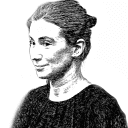
"This has become the defining method of protest in Russia, explained Ekaterina Schulmann, a Russian political scientist. “In America, people take to the streets with posters,” she said. “In France, they like to go on strike. Whereas in Russia, the methods are those used by the weak and the dispossessed: evasion, sabotage, imitation, hypocrisy, and, when necessary, escape, and even self-harm.” Shortly after the invasion, Schulmann herself left Russia, accepting a fellowship at the Robert Bosch Foundation in Berlin. Two days after she arrived, the Russian government declared her a “foreign agent,” a designation meant to make her work effectively impossible.
“You might hear something about the war on television for a few minutes in the evening,” Schulmann told me. “The newscaster blabbers on, and you nod along, not thinking much of anything. That is how people have been conditioned to live for 20 years.” But suddenly, the rules changed. “People were not prepared for the moment they got a knock at the door,” Schulmann said.
Most Russians have absolved themselves of responsibility for anything that doesn’t concern them personally.
Yet mobilization swiftly proved less a rupture of the status quo than a continuation of it, albeit in considerably more fraught conditions. The initial, most active phase of the draft—when men were called up in large numbers and police and military officials combed the streets, workplaces, restaurants, and metro stations looking for draftees—was over in a month or two. Russians who hadn’t been mobilized or didn’t see their immediate family members called up were able to return to their habitual state of disengagement. At least for the moment, most men and most families had dodged the bullet.
This period of heightened stress and uncertainty has caused Russian society to lean even harder into its fundamental pragmatism. Most Russians have absolved themselves of responsibility for anything that doesn’t concern them personally. And even Russians who are personally affected by the war—say, a parent whose son was drafted—have tended to compartmentalize, refusing to allow this entanglement to lead them to question whether the war is just or Putin has made a strategic mistake. Instead of confronting their government directly, they have focused on adapting: getting their children out of the country, perhaps, or finding a job in a category that makes them ineligible for the draft".
www.foreignaffairs.com/ukraine…russians